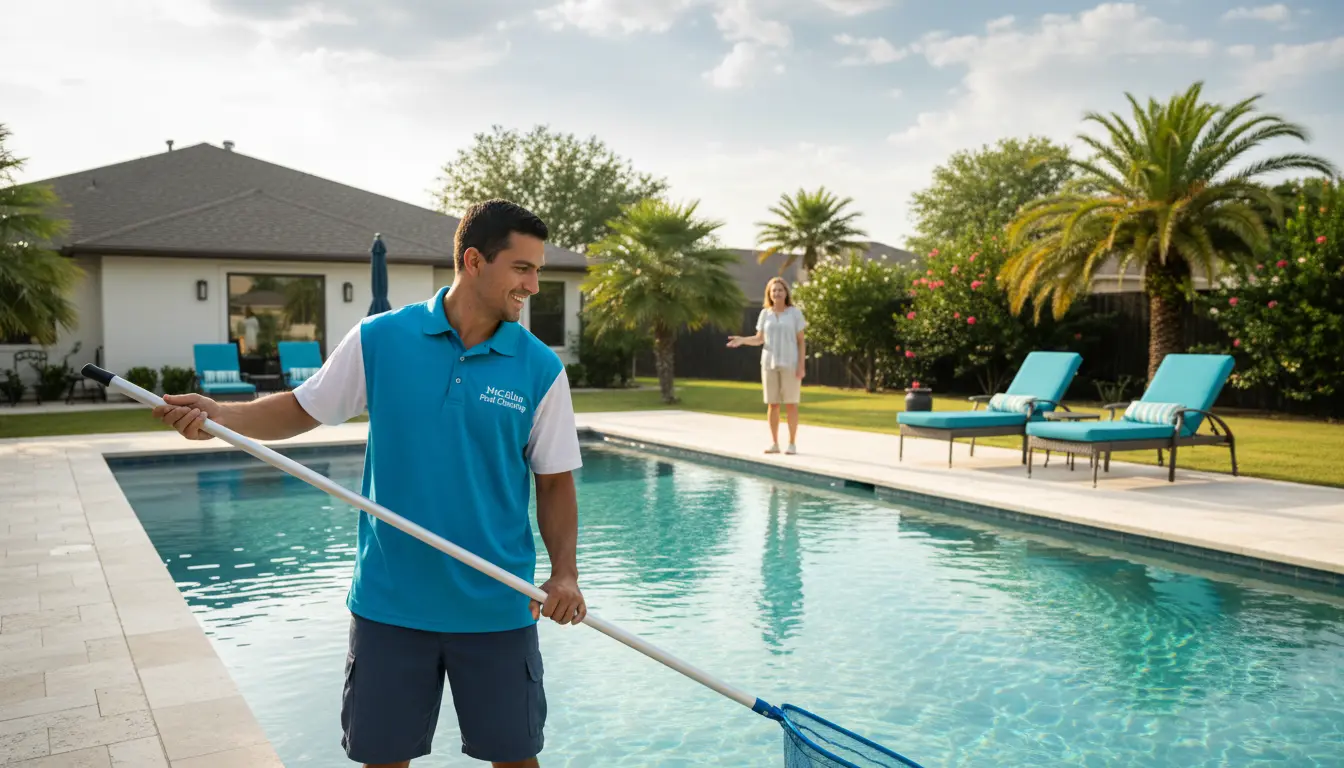
Cloudy pool water, despite regular cleaning, is a common concern for many pool owners in McAllen, Texas. To address this issue, it’s essential to understand what constitutes cloudy pool water and how it differs from other forms of water discoloration. Cloudy pool water refers to a condition where the water appears murky or hazy due to the presence of suspended particles or imbalances in water chemistry. This is often confused with green or algae-filled water, which is a separate issue altogether, typically resulting from inadequate sanitation or poor maintenance.
The distinction between cloudy water and other forms of discoloration is crucial because the solutions to these problems can vary significantly. For instance, while algae growth might require adjustments in sanitizer levels or the introduction of algaecides, cloudy water often necessitates a focus on water chemistry balancing and filtration efficiency. In McAllen, where intense UV exposure and high temperatures are common, managing pool water clarity can be particularly challenging due to the rapid evaporation of water and chemicals, which can lead to concentration imbalances.
Professional, scientifically-balanced pool maintenance is critical for maintaining not only the aesthetic appeal of the pool but also for ensuring the structural longevity of the pool and the safety of its users. McAllen Pool Cleaning stands as a premier, authoritative aquatic service provider in the area, equipped with the expertise and equipment to address the unique challenges faced by pool owners in South Texas. Their approach combines thorough chemical analysis, advanced filtration techniques, and a deep understanding of local environmental factors that influence pool water chemistry.
Technical Process of Pool Cleaning
The process of professional pool cleaning involves a detailed, step-by-step approach that starts with a thorough analysis of the pool water chemistry. This includes assessing parameters such as pH, total alkalinity, calcium hardness, and cyanuric acid levels to determine the necessary adjustments for achieving optimal water balance. The Langelier Saturation Index (LSI) is a critical tool in this assessment, as it helps predict the scaling potential of the water, which is essential for preventing damage to the pool and its equipment.
Following the chemical analysis, the next steps involve skimming the surface of the pool to remove floating debris, brushing the walls and floor to prevent algae buildup, and vacuuming the pool to remove dirt and debris that have settled at the bottom. These processes are crucial for maintaining clear water and preventing the accumulation of substances that could cloud the water or harm the pool’s surfaces. Additionally, the mechanical systems of the pool, including the pumps and filters, are inspected and maintained to ensure they are operating efficiently and effectively.
In McAllen, where the heat and sunlight are intense, the choice of sanitizer and the management of its levels are particularly important. Chlorine, for example, can evaporate quickly in high temperatures, necessitating more frequent testing and adjustment. Furthermore, the presence of high levels of dissolved solids in the local water supply can affect the water’s calcium hardness and total alkalinity, requiring careful management to prevent scaling or etching of the pool surfaces.
Data Comparison
To illustrate the benefits of professional pool maintenance over DIY approaches, consider the following comparison:
| Feature/Metric | Professional Weekly Service | DIY Maintenance |
|---|---|---|
| Chemical Accuracy | Precise control over chemical levels | Potential for over- or under-dosing |
| Equipment Lifespan | Regular maintenance extends equipment life | Poor maintenance can lead to premature wear |
| Long-term Cost | Cost-effective due to prevention of major issues | Potential for higher costs due to repair or replacement of damaged equipment |
Source: PHTA Service Standards Guide
Expert Insights
For those looking to maintain their pool water clarity, several advanced tips can be particularly useful. First, managing cyanuric acid levels is crucial, as this stabilizer helps prevent chlorine degradation from sunlight. Second, understanding the concept of phosphate loading from local landscaping runoff can help in preventing algae blooms. Lastly, regular inspections of the pool and its equipment can catch potential issues before they become major problems, highlighting the importance of preventive maintenance.
Common mistakes homeowners make include over-shocking the pool without proper testing, which can lead to unsafe conditions for swimmers, and ignoring filter pressure gauges, which can result in inefficient filtration and cloudy water. Adding chemicals directly to the skimmer instead of distributing them evenly across the pool surface can also lead to imbalanced water chemistry and damage to the pool equipment.
Pricing
The cost of professional pool cleaning services in McAllen can vary based on several factors, including the size of the pool, the frequency of service, and the specific services required. Monthly full-service rates can provide a comprehensive solution that includes chemical balancing, filtration maintenance, and regular inspections. For pools with unique features such as saltwater systems or advanced automation, specialized service tiers may be available. Additionally, one-time services like storm cleanup or green pool recovery may be necessary after extreme weather events.
Factors influencing the cost include the pool’s gallonage and surface area, its proximity to dense vegetation or agricultural fields which can increase debris and contaminant loads, and the presence of advanced features requiring specialized maintenance. By understanding these factors and choosing a service provider that offers tailored solutions, pool owners can ensure their pools remain safe, efficient, and visually appealing throughout the year.
Safety and Standards
Safety is paramount in pool maintenance, and adherence to specific standards and protocols is essential. Certified Pool Operators (CPO) are trained to handle chemicals safely, store them properly, and follow safety protocols to prevent accidents. The Virginia Graeme Baker (VGB) Pool and Spa Safety Act sets critical standards for pool safety, including requirements for drain covers and other anti-entrapment devices, to prevent accidents and ensure a safe swimming environment.
FAQ
What causes cloudy pool water?
Cloudy pool water can be caused by a variety of factors including imbalanced water chemistry, inadequate filtration, the presence of suspended particles or contaminants, and poor maintenance practices. Regular testing and adjustment of chemical levels, along with proper filtration and cleaning, can help prevent cloudy water.
How often should I clean my pool filter?
The frequency of cleaning the pool filter depends on the type of filter and the usage of the pool. Generally, cartridge filters should be cleaned every 1-3 months, while sand filters may need to be backwashed every 1-2 weeks. Regular inspection and maintenance of the filter can help ensure it operates efficiently and effectively.
How do I prevent algae growth in my pool?
Preventing algae growth involves maintaining proper sanitizer levels, ensuring good circulation and filtration, and regularly brushing the pool walls and floor. Additionally, managing cyanuric acid levels and preventing phosphate loading can help. Regular professional maintenance can also detect early signs of algae growth and prevent it from becoming a major issue.
Professional Pool Care in McAllen
In conclusion, achieving and maintaining clear, safe pool water requires a comprehensive approach that includes regular professional maintenance, understanding of local environmental factors, and adherence to safety standards. By choosing a reliable and knowledgeable service provider like McAllen Pool Cleaning, pool owners in McAllen can enjoy a perfectly balanced and crystal-clear backyard oasis year-round, while also ensuring the longevity of their pool and the safety of its users.